
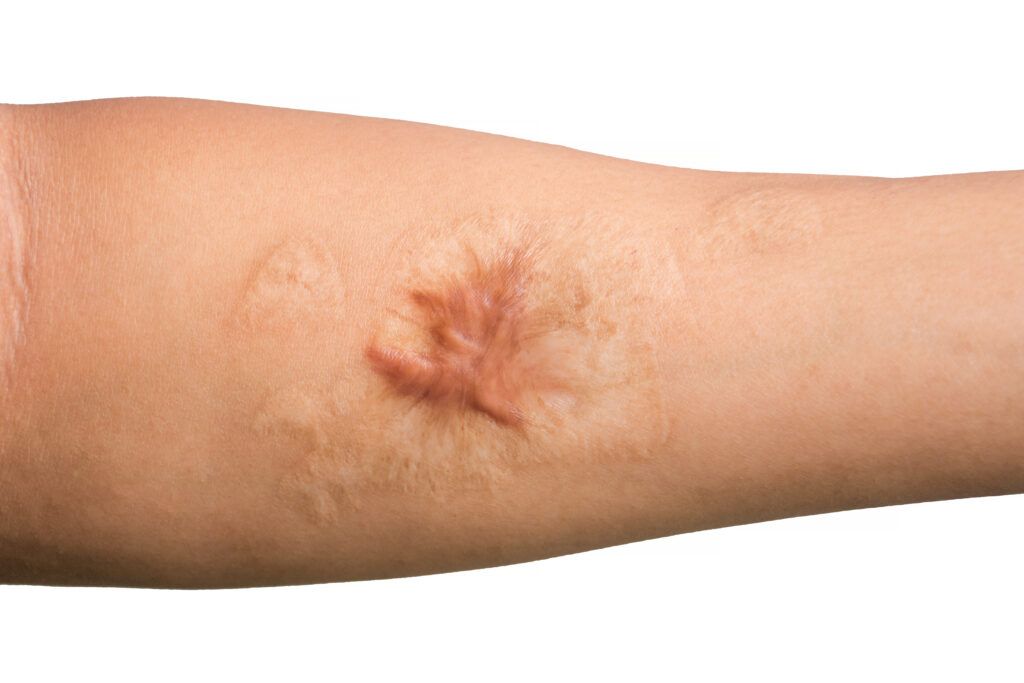
Scars form as part of the body’s natural healing process, yet not all scars heal in a visually or functionally optimal way. Some become raised, sunken, stretched, or discolored, affecting both appearance and confidence. In modern dermatologic and reconstructive care, refinement techniques have evolved significantly, and one of the most advanced options available today is Surgical Scar Revision in Dubai. This approach focuses on improving the texture, alignment, and visibility of scars by reworking the affected tissue rather than simply masking it, making it a structured method for scar minimization that aims for more natural-looking skin integration.
What Makes Scars Difficult to Treat
Scar tissue is fundamentally different from normal skin. It contains a different collagen structure, reduced elasticity, and irregular pigmentation. These biological differences are why many scars remain visible long after the initial wound has healed. Factors such as wound depth, tension during healing, infection, genetics, and skin type all contribute to how a scar ultimately forms.
Flat scars may fade over time, but hypertrophic or widened scars often remain stable or even become more prominent. This is where structured correction techniques are considered, especially when non-procedural approaches have limited impact. The complexity of scar behavior explains why no single solution works universally and why targeted intervention is often necessary for noticeable improvement.
How Surgical Scar Revision Works in Scar Minimization
The principle behind scar revision is not to erase a scar completely—because complete removal is biologically impossible—but to replace an unfavorable scar with a more refined and less noticeable one. The process typically involves removing the old scar tissue and carefully rejoining the skin in a way that promotes smoother healing patterns.
During this process, Surgical Scar Revision techniques may involve reorientation of the scar to align with natural skin tension lines, removal of irregular tissue edges, and layered closure methods that reduce tension on the skin surface. When tension is minimized, the skin is less likely to stretch or widen during healing, which significantly improves the final appearance.
Another important aspect is precision. The alignment of skin edges plays a crucial role in how seamlessly the skin heals. Even minor improvements in contour and direction can dramatically reduce the visibility of a scar once healing is complete.
Types of Scars That Respond Well to Revision
Not all scars behave the same way, and the effectiveness of revision depends heavily on scar type. Widened scars that result from tension during healing are often among the most responsive because they can be re-approximated more effectively. Irregular or uneven scars also benefit significantly from reshaping techniques that restore smoother skin contours.
Raised scars, while more complex, may still show improvement when excess tissue is carefully reduced and the skin is restructured to heal more evenly. Similarly, depressed scars can be improved by adjusting the surrounding tissue to create a more level surface. The adaptability of scar revision makes it a versatile option for a wide range of scar presentations.
Factors That Influence the Effectiveness of Scar Revision
Several biological and environmental factors determine how successful scar minimization will be after revision. Skin type plays a major role, as some skin tones are more prone to pigmentation changes during healing. Age is another factor, as younger skin tends to heal more actively but may also form thicker scar tissue in response to injury.
The location of the scar is equally important. Areas of high movement, such as joints, may place additional stress on healing tissue, potentially influencing the final outcome. Conversely, areas with lower movement tend to heal more predictably.
Lifestyle factors also contribute. Nutrition, hydration, and general skin care support the body’s healing mechanisms, indirectly affecting how well revised scars settle over time. While the procedure itself addresses structural concerns, the body’s healing response ultimately determines the final visual result.
Healing Process and Long-Term Results
After scar revision, the healing phase is a gradual process where the skin remodels itself over several weeks and months. Initially, the treated area may appear slightly red or firm, which is a normal part of tissue regeneration. Over time, collagen fibers reorganize, and the scar begins to soften and fade.
The long-term outcome depends on how well the skin adapts during this remodeling phase. In many cases, scars become significantly less noticeable, blending more naturally with surrounding skin texture. While perfection is not realistic, the goal of scar minimization is typically achieved through improved symmetry, smoother edges, and reduced color contrast.
Consistency in aftercare plays a supportive role in maintaining results. Protecting the area from excessive sun exposure and avoiding unnecessary tension helps preserve the improved appearance over time.
Psychological and Aesthetic Impact of Scar Improvement
Beyond physical changes, scar revision can have a meaningful psychological impact. Visible scars often affect self-image, especially when located on highly visible areas such as the face, neck, or hands. Improving the appearance of these scars can contribute to increased confidence and reduced self-consciousness in social or professional settings.
The aesthetic benefit lies in subtlety. Successful revision does not necessarily make the skin flawless but instead makes the scar less disruptive to overall facial or body harmony. This subtle enhancement is often what patients value most, as it restores a more natural visual balance rather than drawing attention to a repaired area.
Limitations and Realistic Expectations
While scar revision offers noticeable improvements, it is important to understand its limitations. Scar tissue cannot be completely erased, and individual healing responses vary. Some scars may require multiple approaches or combination strategies to achieve optimal results.
Additionally, final outcomes take time to fully develop, as scar maturation can continue for several months. Immediate post-healing appearance does not always reflect the final result, and patience is a key part of the process. Setting realistic expectations ensures satisfaction with the gradual improvements achieved over time.
Advancements in Modern Scar Minimization Techniques
Modern approaches to scar revision continue to evolve, focusing on precision, reduced tissue trauma, and improved healing predictability. Techniques now emphasize controlled tissue handling and optimized closure patterns to support smoother recovery.
These advancements have made scar minimization more reliable than ever before. Instead of simply addressing surface appearance, current methods aim to influence how the skin rebuilds itself at a structural level. This shift toward biologically informed correction has significantly improved consistency in outcomes.
Book Us for Advanced Scar Revision Solutions
For individuals seeking improved skin appearance and refined scar outcomes, professional evaluation and structured treatment planning are essential steps toward achieving realistic results. Advanced approaches to scar improvement focus on precision, balance, and natural integration with surrounding skin.
Book Us
For personalized care and advanced aesthetic solutions, Enfield Royal Clinic Dubai provides professional support designed to enhance skin appearance through carefully planned procedures. If you are considering Surgical Scar Revision, expert guidance can help determine the most suitable approach for your specific scar type and skin condition, ensuring results that prioritize natural-looking improvement and long-term confidence.