
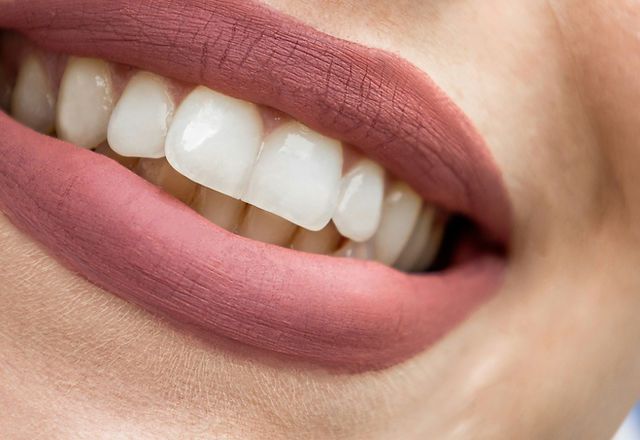
Teeth whitening has become a popular way to brighten smiles and boost confidence. But many people often wonder—how frequently should whitening be done to maintain a natural, healthy-looking brightness? The answer can vary depending on the method used and a person's unique dental habits.
Generally, it’s important to strike a balance between achieving visible results and avoiding overuse. Whitening too often doesn’t necessarily lead to a better smile and can potentially reduce the effectiveness over time. Lets delve into Teeth Whitening Dubai.
Ideal Frequency Based on Whitening Method
Different methods require different intervals for optimal outcomes. Whitening treatments used occasionally can offer dramatic results, while others are meant for more regular use with a gentler approach.
Occasional Whitening Use
Some individuals choose to whiten their teeth on an as-needed basis. For example, prior to an event or after noticing discoloration. This occasional use can be ideal for people who already have relatively white teeth and want a short-term enhancement.
Regular Maintenance Whitening
Those who drink coffee, tea, or other stain-inducing beverages may benefit from regular maintenance whitening. A typical schedule might include touch-ups every few months to keep the brightness consistent. However, this doesn’t mean whitening every week. A few times a year is often enough to maintain results.
Factors That Influence Whitening Frequency
Several lifestyle and personal habits can affect how often someone might need to use whitening treatments. Understanding these can help tailor a routine that fits individual needs.
Diet and Beverage Choices
Dark beverages like coffee, red wine, and soda can cause staining. Frequent consumption of these drinks may require more regular whitening maintenance.
Oral Hygiene Habits
Those with strong oral hygiene practices—such as regular brushing and flossing—typically don’t need to whiten as frequently. Proper daily care helps prevent stain buildup and supports longer-lasting results.
Natural Tooth Color
Not everyone’s teeth respond the same way to whitening. Individuals with naturally darker enamel might need more frequent sessions to reach their desired brightness, while others may see results more quickly.
Age and Lifestyle
As people age, enamel wears down, and teeth may naturally darken. Lifestyle factors, such as smoking, also contribute to discoloration. These elements may prompt a more frequent whitening schedule.
Maintaining Whitening Results Over Time
Once the desired shade has been achieved, the goal becomes maintenance. This doesn’t require intensive or repeated whitening but instead focuses on sustaining the look with minimal effort.
Smart Whitening Timing
Spacing out whitening sessions throughout the year is key. A strategic approach—such as whitening before major events or seasons—can help keep results fresh without overdoing it.
Oral Care Support
Using whitening-friendly oral care tools like soft-bristled toothbrushes and non-staining toothpaste can extend the effects of whitening without the need for additional treatments.
How Long Do Whitening Results Last?
The duration of whitening results depends heavily on personal habits. For many, a single treatment can last several months. If followed by proper care, some can maintain their brighter smile for up to a year.
However, if staining foods and beverages are consumed regularly, or if oral hygiene is inconsistent, results may fade more quickly. The key is not how often one whitens, but how well they maintain their teeth between sessions.
Common Whitening Myths About Usage Frequency
Some myths surrounding teeth whitening can cause confusion. Here are a few common misconceptions that should be cleared up.
Whitening Every Week Is Better
Frequent whitening doesn’t improve results. In fact, most results are best when treatments are spaced out and used in moderation.
The Whiter the Better
A natural white smile is ideal. Over-whitening can sometimes result in an unnatural appearance. Whitening should enhance, not overpower, a smile.
One Time Is Enough Forever
Even the best whitening treatments aren’t permanent. Maintenance and touch-ups are often necessary, especially for those who consume staining foods and beverages regularly.
FAQs
How often should someone whiten their teeth for a long-lasting bright smile?
For most people, whitening once or twice a year is sufficient to maintain a bright smile, especially when paired with good oral hygiene and stain-avoiding habits.
Can you whiten your teeth too much?
Yes, overuse doesn't improve whitening results and can make the teeth appear unnaturally white. A moderate approach helps maintain natural brightness and keeps the smile looking fresh.
When is the best time to whiten teeth?
Whitening is often most effective after a thorough cleaning and before special events or photos. It's best timed around lifestyle needs and personal preference, rather than done on a strict schedule.
How can someone tell it's time to whiten again?
If stains start to reappear or the smile begins to dull compared to its previous shade, it might be time for a touch-up. Regular mirror checks and photos can help track progress.
Is there a difference between whitening frequently and maintaining results?
Yes, maintenance involves keeping existing whiteness by managing lifestyle habits and oral care. Whitening frequently implies repeated treatments, which may not be necessary for everyone.
Final Thoughts
Teeth Whitening in Dubai can be a simple, effective way to enhance one’s appearance, but like anything, the key lies in balance. Whitening too often doesn’t lead to better results and might even reduce the wow-factor over time. The ideal frequency will differ depending on habits, lifestyle, and desired outcomes—but a few treatments spaced strategically throughout the year, supported by good oral care, are often enough to keep a smile looking its best.