
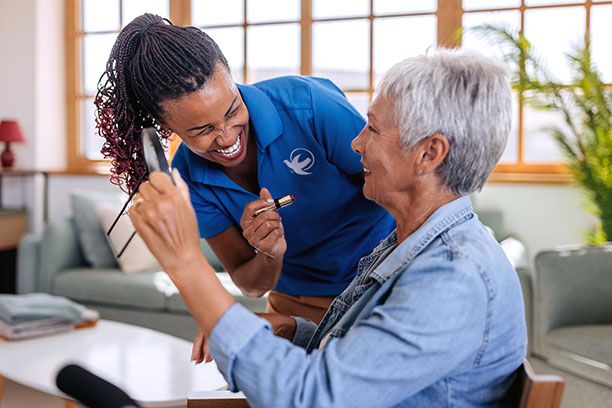
As people age, maintaining a vibrant social life can become increasingly challenging. Physical limitations, mobility issues, or the loss of familiar social circles may lead to isolation. Elderly Care Services Dubai enhance senior social engagement by providing structured opportunities and support systems that encourage seniors to stay connected, active, and emotionally fulfilled. These services play a vital role in helping seniors maintain a sense of purpose and community, ultimately improving overall quality of life.
Understanding Social Engagement for Seniors
Social engagement is more than casual interaction—it encompasses meaningful connections, mental stimulation, and emotional support. Seniors who remain socially active often experience improved cognitive function, reduced feelings of loneliness, and higher emotional well-being. Elderly care services recognize these needs and create programs tailored to encourage participation, interaction, and the development of friendships.
Structured Social Programs
Many elderly care services offer structured activities such as group exercises, hobby clubs, and educational workshops. These programs are designed to be inclusive, allowing seniors with varying levels of mobility or cognitive ability to participate. The structured nature ensures that seniors have regular opportunities to engage with peers, which is essential for maintaining consistent social interaction.
Community Events and Gatherings
Regular community events like cultural celebrations, game nights, or group outings provide seniors with a sense of belonging. Such gatherings allow for natural interactions and the opportunity to build new friendships. By creating environments where seniors feel valued and included, elderly care services foster long-term social engagement.
Encouraging Intergenerational Interaction
Intergenerational activities, where seniors interact with younger generations, bring additional benefits. These activities can include mentoring programs, storytelling sessions, or art workshops. The exchange of experiences and perspectives enhances social connection, promotes learning, and strengthens emotional bonds across age groups.
Promoting Mental and Emotional Well-Being
Social engagement has direct effects on mental and emotional health. Elderly care services often integrate cognitive exercises, discussion groups, and interactive games that stimulate mental activity while encouraging communication. These interactions help reduce feelings of loneliness and depression while promoting positive mental health.
Cognitive Stimulation Through Social Interaction
Engaging in group activities or discussions encourages seniors to think critically, recall memories, and express their opinions. Such stimulation supports cognitive function and can delay mental decline. Elderly care services combine mental exercises with social interaction, ensuring seniors enjoy both intellectual and emotional benefits.
Emotional Support Networks
Socially active seniors benefit from forming supportive relationships with peers who share similar experiences. Elderly care services provide safe environments for these connections to flourish, helping seniors feel understood, valued, and emotionally supported. These networks are crucial for coping with life transitions and maintaining a positive outlook.
Facilitating Physical Activity Through Social Engagement
Physical activity often goes hand-in-hand with social participation. Group fitness classes, dance sessions, or walking clubs offered through elderly care services not only improve mobility but also provide opportunities for social connection. Seniors are more likely to maintain a consistent exercise routine when it is combined with social interaction.
Benefits of Group Exercise
Exercising in a group setting encourages accountability, motivation, and enjoyment. Seniors can share achievements, celebrate progress, and form friendships during these sessions. Elderly care services capitalize on this by offering activities tailored to different ability levels, ensuring inclusivity and safety.
Encouraging Outdoor Social Activities
Outdoor group activities such as gardening, nature walks, or community picnics allow seniors to enjoy fresh air while interacting with peers. Such activities provide physical benefits while also reinforcing social bonds, enhancing overall well-being.
Building Lifelong Friendships
One of the most rewarding outcomes of elderly care services is the opportunity to develop lasting friendships. Regular interaction, shared interests, and collaborative activities help seniors form meaningful connections. These relationships often extend beyond the care environment, creating a broader support system that promotes happiness and life satisfaction.
Fostering Shared Interests
Shared hobbies or learning opportunities allow seniors to connect over common passions. Whether it’s painting, music, or book clubs, these activities create natural pathways for forming friendships. Elderly care services encourage participation in such activities to ensure social engagement is both enjoyable and purposeful.
Creating a Sense of Community
A strong sense of community helps seniors feel connected and valued. Elderly care services prioritize creating environments where every participant feels included. This community-centric approach strengthens social ties, reduces isolation, and enhances emotional resilience.
Conclusion
Seniors thrive when they are socially engaged, mentally stimulated, and emotionally supported. Elderly Care Services in Dubai enhance senior social engagement by providing structured programs, encouraging intergenerational interactions, facilitating group activities, and fostering meaningful relationships. By investing time in social connections, seniors can enjoy a more fulfilling and vibrant life, enriched with companionship, purpose, and joy.
FAQs
How do elderly care services encourage seniors to socialize?
Elderly care services offer structured activities, group events, hobby clubs, and intergenerational programs that promote regular social interaction and community involvement.
Can social engagement improve mental health for seniors?
Yes, interacting with peers and participating in cognitive activities helps reduce loneliness, supports emotional well-being, and can improve cognitive function.
What types of activities help seniors form friendships?
Group exercises, art classes, book clubs, outdoor activities, and hobby workshops provide opportunities for seniors to connect over shared interests.
Are intergenerational programs beneficial for seniors?
Absolutely. Activities involving younger generations foster learning, emotional bonding, and a sense of purpose, which enhances overall social engagement.