
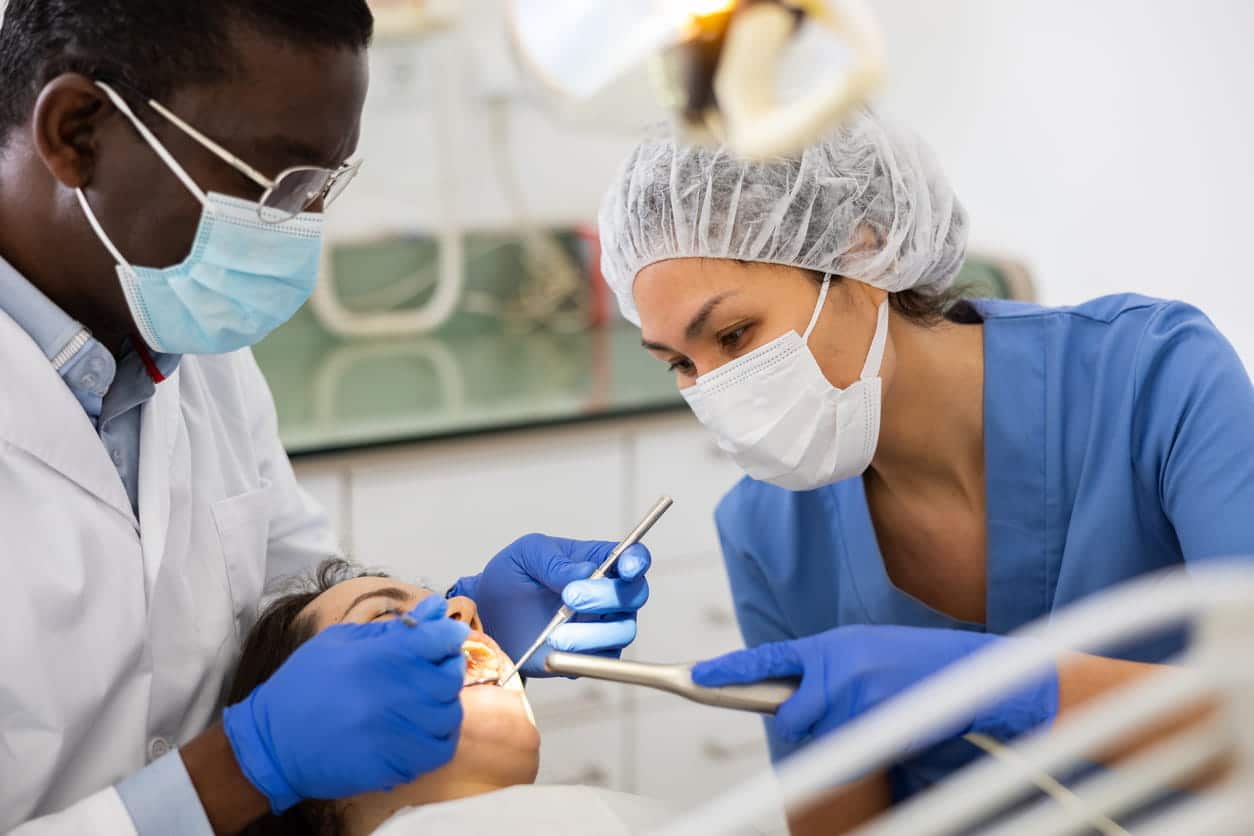
Teenagers face many changes, both physically and emotionally, and oral health often takes a back seat during this time. However, developing good oral hygiene habits during the teen years is critical for long-term dental health. Dental hygienists play a key role in shaping these habits, offering guidance, education, and support to ensure teenagers build and maintain healthy routines. This article explores how Dental Hygienist Dubai support and influence teen oral habits through education, early intervention, personalized advice, and regular maintenance.
The Role of Dental Hygienists in Teen Oral Health
Educating Teens on Proper Oral Hygiene
One of the primary responsibilities of dental hygienists is to educate teens about the importance of daily oral care. They teach proper brushing and flossing techniques, often demonstrating these methods during visits. Many teens underestimate the importance of consistent care, and hygienists bridge this knowledge gap through simple, clear instructions that are easy to understand and apply.
Encouraging Daily Habits That Stick
Developing consistent routines is vital during adolescence. Dental hygienists encourage daily brushing and flossing, helping teens understand how neglecting these tasks can lead to long-term consequences. Through repetition and reminders during appointments, hygienists help reinforce these essential behaviors until they become second nature.
Promoting Awareness of Common Teen Oral Issues
Addressing Orthodontic Challenges
Many teens undergo orthodontic treatments that make oral hygiene more complicated. Dental hygienists help teens navigate the challenges of cleaning around brackets and wires. They teach specific techniques and recommend tools that can assist in maintaining cleanliness around orthodontic appliances, reducing the risk of plaque buildup and gum problems.
Educating About Gum Health
Gum health can often be overlooked by teens who focus more on their teeth. Dental hygienists stress the importance of healthy gums and demonstrate how to clean along the gumline. They also explain the early signs of gum issues, helping teens recognize and report concerns before they develop into more serious problems.
Creating a Judgment-Free Environment for Learning
Building Trust and Open Communication
Teenagers may feel self-conscious about their habits or embarrassed about the condition of their teeth. Dental hygienists create a supportive environment where teens can speak openly without fear of judgment. By building trust, hygienists become reliable sources of advice and encouragement, making teens more likely to follow through on recommendations.
Guiding Without Pressure
Rather than lecturing, dental hygienists use a gentle, motivational approach. They focus on small, achievable improvements and celebrate progress. This approach encourages teens to view oral health as a manageable and rewarding part of their routine, rather than a burdensome task.
Supporting Lifestyle Habits That Affect Oral Health
Teaching the Link Between Diet and Dental Health
Teens often consume sugary snacks and beverages, which can negatively affect their teeth. Dental hygienists educate teens about how these foods impact oral health, encouraging moderation and healthier choices. They explain how food choices contribute to cavities and enamel wear, using relatable examples that resonate with teen lifestyles.
Addressing Oral Hygiene in Active Teens
For teens involved in sports and physical activities, dental hygienists offer advice on maintaining oral health while on the go. This includes tips on staying hydrated and caring for teeth after consuming sports drinks. They also educate teens on the importance of protecting teeth during contact sports by wearing appropriate gear.
Monitoring Progress Through Routine Cleanings
Detecting Early Signs of Problems
Regular cleanings give dental hygienists the chance to spot potential issues early. By identifying plaque buildup, gum inflammation, or changes in oral hygiene habits, they can intervene before problems escalate. Early detection allows for less invasive solutions and keeps teens on track with their oral health goals.
Reinforcing Good Habits Through Repetition
Consistent visits provide opportunities for reinforcement. Each appointment is a chance to review hygiene techniques, evaluate progress, and offer constructive feedback. These touchpoints serve as reminders that oral health is an ongoing commitment, not just a one-time effort.
Customizing Guidance Based on Individual Needs
Adapting Strategies to Fit Personality Types
No two teens are the same, and dental hygienists understand the importance of tailoring their approach. Whether dealing with a shy, anxious teen or a confident, outgoing one, they adapt their communication style to best engage and motivate each individual.
Offering Age-Appropriate Explanations
Dental Hygienist in Dubai present information in ways that match a teen’s developmental stage. They avoid complex jargon and instead use visual aids and relatable scenarios. This ensures that teens understand the importance of oral care and how it affects their future well-being.
Preventing Long-Term Oral Health Issues
Laying the Foundation for Lifelong Habits
The habits developed in the teen years often carry into adulthood. Dental hygienists help set the foundation by instilling responsibility and self-care values. They emphasize that taking care of teeth now will reduce the need for more complex treatments later in life.
Preventing Cosmetic and Structural Concerns
By encouraging routine care, dental hygienists help prevent issues such as tooth discoloration, misalignment, and enamel erosion. This proactive care supports teens in maintaining both the function and appearance of their smiles into the future.
Addressing Teen-Specific Oral Health Concerns
Guiding Through Transitional Phases
The teen years include transitions such as wisdom teeth eruption and the end of orthodontic treatment. Dental hygienists provide guidance on how to care for the mouth during these changes. They help teens manage discomfort, understand what to expect, and prepare for any additional dental care that may be needed.
Helping With Habits Like Nail Biting and Grinding
Dental hygienists also observe and advise on habits such as nail biting, teeth grinding, or chewing on pens. These behaviors can have a negative impact on oral health, and hygienists offer gentle strategies to help teens break these habits.
Fostering a Positive Attitude Toward Dental Care
Turning Dental Visits Into Positive Experiences
Through encouragement and patience, dental hygienists make dental visits less intimidating and more engaging. When teens associate dental care with positive experiences, they’re more likely to maintain regular appointments and take ownership of their oral health.
Building Confidence Through a Healthy Smile
A clean and healthy mouth can boost a teen's confidence, especially during a period when appearance and self-image are especially important. Dental hygienists play a key role in helping teens feel proud of their smiles, which in turn motivates them to continue good habits.
Conclusion
Dental hygienists are essential allies in guiding teens toward strong and lasting oral hygiene habits. Through education, early intervention, personalized support, and regular monitoring, they help teenagers develop the skills and awareness needed to maintain healthy mouths throughout life. Their role goes beyond cleaning teeth—they inspire, inform, and empower the next generation to take charge of their dental health.