
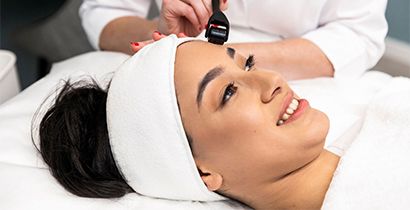
Non-surgical skin tightening treatments have rapidly evolved, offering individuals effective alternatives to invasive cosmetic procedures. Among the most discussed options are radiofrequency-assisted laser lifting and ultrasound-based skin tightening, commonly compared as Endolift and HIFU. Both aim to rejuvenate the skin, improve firmness, and reduce laxity without surgery, but their mechanisms and outcomes differ significantly. One of the most advanced minimally invasive approaches in this category is Endolift in Dubai, which uses laser energy to stimulate deep tissue remodeling while simultaneously enhancing skin contraction and collagen production. Understanding how these two treatments differ helps in making an informed decision based on skin needs, expectations, and desired longevity of results.
What Is Endolift and How It Works
Endolift is a cutting-edge laser-based skin tightening procedure that works beneath the surface of the skin. It uses a very thin micro-optical fiber that is inserted under the skin to deliver laser energy directly into the subdermal layers. This controlled energy targets both fat deposits and collagen structures, resulting in tissue contraction and stimulation of natural regenerative processes.
The key mechanism behind Endolift lies in its ability to trigger neocollagenesis, which is the formation of new collagen fibers. As the skin responds to laser heat, it gradually becomes firmer, more elastic, and more lifted over time. Unlike surface-level treatments, Endolift works at a deeper structural level, making it suitable for moderate skin laxity, jawline definition, and contour enhancement.
What Is HIFU and How It Works
High-Intensity Focused Ultrasound, commonly known as HIFU, is a non-invasive skin tightening method that uses ultrasound energy to heat targeted layers beneath the skin. This energy reaches the superficial muscular aponeurotic system (SMAS), which is the same layer typically addressed in surgical facelifts.
HIFU works by delivering precise thermal points that stimulate collagen production and tissue contraction without breaking the skin surface. The treatment gradually lifts and tightens areas such as the cheeks, neck, and brow. Since it does not involve any incisions or insertions, it is often preferred by individuals looking for completely non-invasive solutions.
While HIFU is effective for mild to moderate skin laxity, its depth and intensity are limited compared to more advanced laser-based systems.
Key Differences Between Endolift and HIFU
Although both treatments aim to improve skin firmness and reduce sagging, their technologies and depth of action set them apart. Endolift uses laser energy delivered through microfibers placed under the skin, allowing direct interaction with fat and connective tissue. This makes it more targeted and structurally transformative.
On the other hand, HIFU relies on ultrasound waves that pass through the skin layers without physical entry. This makes HIFU completely external but also somewhat limited in precision when compared to internal laser-guided systems.
Another major difference lies in fat remodeling. Endolift can influence localized fat reduction in areas such as the jawline or under the chin, while HIFU primarily focuses on tightening without significant fat modulation.
Skin Tightening and Contouring Results
Results from both treatments appear gradually as collagen production increases, but the quality and definition of outcomes often differ. Endolift typically delivers more sculpted and refined contouring due to its ability to contract deeper tissue layers and address mild fat accumulation. The skin tends to look lifted, tighter, and more defined over time.
HIFU, in contrast, provides a subtle lifting effect that is more noticeable in mild skin laxity cases. It is often chosen for early signs of aging rather than advanced skin sagging. While it improves firmness and elasticity, the contouring effect is generally less pronounced compared to laser-based alternatives.
The longevity of results also varies. Endolift outcomes are often longer-lasting due to deeper collagen restructuring, while HIFU may require more frequent maintenance sessions to sustain similar results.
Comfort Level, Safety, and Downtime
Both treatments are designed with patient comfort in mind, but their experiences differ. HIFU is non-invasive and typically involves a sensation of heat or tingling during the procedure. There is no downtime, and individuals can return to daily activities immediately afterward.
Endolift, while minimally invasive, involves micro-fiber insertion beneath the skin. This makes it slightly more intensive, but still far less disruptive than surgical alternatives. Mild swelling or temporary redness may occur, but recovery remains relatively quick.
In terms of safety, both procedures are considered low-risk when performed correctly. However, Endolift’s direct energy delivery allows for more controlled precision in deeper layers, which can enhance overall effectiveness in experienced hands.
Which Treatment Is Better for Different Skin Concerns
Choosing between Endolift and HIFU depends largely on the severity of skin laxity and the desired outcome. HIFU is often suitable for individuals with early signs of aging, mild sagging, or those seeking preventative skin maintenance without any invasive element.
Endolift is better suited for individuals with moderate skin laxity, visible contour loss, or areas requiring both tightening and subtle fat reduction. Its ability to remodel deeper tissue structures makes it more versatile for facial sculpting and definition.
Age, skin condition, and aesthetic goals all play an important role in determining which treatment will deliver more satisfying results. In many cases, Endolift offers a more comprehensive rejuvenation effect, while HIFU focuses on surface lifting and early intervention.
Long-Term Benefits and Skin Quality Improvement
One of the most important aspects of any skin tightening treatment is how it improves overall skin quality over time. Endolift stimulates deeper collagen regeneration, which leads to progressive improvements in elasticity, texture, and firmness. The skin often continues to improve for several months after treatment.
HIFU also promotes collagen production, but its effects are generally more gradual and subtle. It is particularly effective for maintaining skin firmness and delaying the progression of sagging rather than reversing more advanced changes.
For individuals seeking structural rejuvenation, contour enhancement, and long-term skin remodeling, laser-based approaches offer a more intensive biological response compared to ultrasound-based systems.
Book Us
Choosing the right treatment for skin tightening depends on understanding how each technology interacts with your skin’s deeper layers and long-term aging process. Whether the goal is subtle lifting or more defined facial contouring, both options provide valuable solutions tailored to different needs. A modern approach such as Endolift continues to gain attention for its ability to enhance skin firmness while improving structural definition from within.