
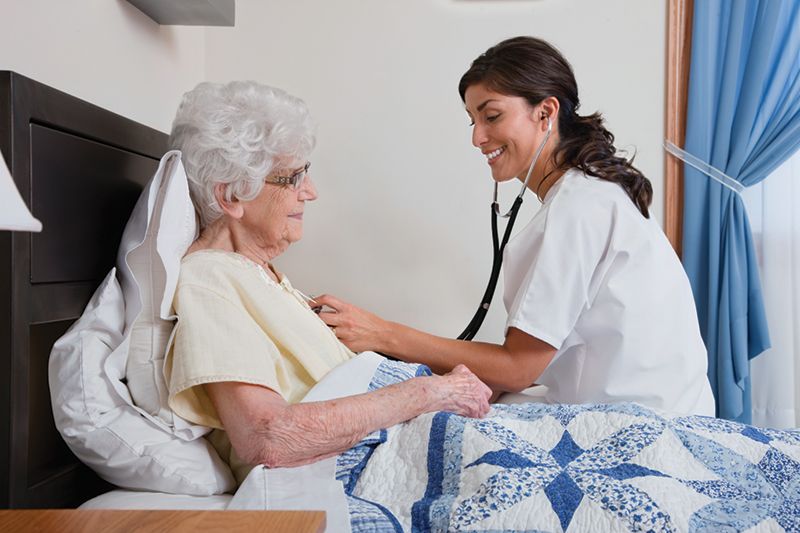
Elder monitoring through home healthcare is changing how families support aging loved ones. As people grow older, their needs evolve, and many prefer staying in the comfort of their own homes rather than moving to unfamiliar care facilities. Home Healthcare Dubai makes that possible by offering consistent monitoring, personal assistance, and emotional support—all from the comfort of familiar surroundings.
This approach focuses on maintaining a senior’s independence while providing peace of mind to family members who may live far away or have other responsibilities. Elder monitoring helps ensure safety and well-being while respecting personal space and dignity.
The Role of Technology in Home-Based Elder Monitoring
Modern advancements have brought a wave of change to home healthcare. With tools designed specifically for seniors, caregivers can keep track of daily activities, changes in health behavior, and general wellness. Whether it's monitoring movement, sleep patterns, or medication routines, these systems allow caregivers to step in when necessary without being intrusive.
Remote monitoring systems help bridge the gap between physical distance and ongoing care. The goal is to alert family members or professional caregivers when something unusual happens, ensuring quick response in critical moments.
Encouraging Independence with Support
One of the most valued aspects of home healthcare is how it encourages elders to remain independent. Many older adults cherish their routines, personal space, and autonomy. With monitoring solutions in place, they can continue living their lives without constant supervision, while caregivers stay informed and ready to help when needed.
Rather than being a constant presence, home healthcare teams use subtle tools to observe and support seniors from the background. This balance maintains dignity and strengthens confidence in aging gracefully at home.
Personalized Care from Familiar Spaces
Elder monitoring through home healthcare is not a one-size-fits-all solution. Each person has unique preferences and medical backgrounds. Home-based care focuses on tailoring services to meet the specific needs of each individual. Whether it’s helping with daily tasks, ensuring consistent routines, or simply offering companionship, care teams build relationships that go beyond basic assistance.
Living in familiar surroundings also reduces stress and confusion, especially for seniors who might struggle with memory-related challenges. The comfort of home plays a powerful role in mental and emotional stability.
Building Trust Through Continuous Connection
Consistency is key when it comes to elder care. Seniors often thrive when they know the same faces will be helping them each day. Home healthcare builds long-term connections between caregivers and clients, creating trust and emotional bonds that are just as important as physical support.
With continuous monitoring, families are always in the loop. This helps prevent unnecessary worry and makes coordination among loved ones easier. Even small updates provide reassurance that everything is going smoothly.
Benefits of Elder Monitoring at Home
Elder monitoring through home healthcare brings a variety of benefits:
Encourages independent living
Provides safety alerts in emergencies
Supports daily routines and schedules
Offers emotional comfort from familiar surroundings
Promotes family peace of mind
Strengthens relationships between caregivers and seniors
Detects subtle health changes early
These benefits combine to create a holistic support system that respects the unique lifestyle of every individual.
Creating a Safe and Supportive Environment
Safety is a top priority in elder care. At home, monitoring systems are designed to spot risks early. These can include unusual patterns in movement, skipped meals, or extended periods of inactivity. With proper systems in place, support can be offered quickly to prevent small issues from becoming larger problems.
Home healthcare also focuses on fall prevention, mobility support, and daily well-being checks. This includes making sure the environment is safe and accessible while respecting the person’s need for privacy and autonomy.
Fostering Mental and Emotional Wellbeing
Staying connected and emotionally engaged plays a big role in senior health. Home healthcare professionals provide more than physical support—they listen, chat, and share moments that bring joy and reduce loneliness. Even short conversations or regular visits make a significant impact.
The monitoring process also includes subtle signs of emotional shifts. Changes in mood, sleep habits, or interaction levels can indicate when someone needs extra attention. Early detection helps address these concerns before they affect quality of life.
Supporting Family Members Through Information
Families often carry the emotional weight of worrying about their aging relatives. Elder monitoring through home healthcare provides them with regular updates, reassurance, and a sense of involvement even from afar.
Care teams share daily observations and flag concerns when necessary. This open communication allows families to make informed decisions, plan visits, or offer extra emotional support during difficult periods.
Flexibility That Adapts to Changing Needs
Aging is a dynamic process, and the needs of seniors often change over time. One of the strengths of elder monitoring through home healthcare is its flexibility. Care plans can be adjusted regularly to include new services or respond to health changes.
Whether someone needs more hands-on help or is transitioning to a more independent phase, monitoring systems ensure smooth transitions without disruption. This adaptability helps individuals continue living on their terms.
FAQs
What does elder monitoring involve?
It typically includes remote observation of health patterns, behavior, and safety indicators. This helps ensure timely responses when any changes are noticed.
Is this service intrusive?
Not at all. Monitoring tools are designed to be discreet. They support independence by helping caregivers stay in the background until needed.
Can the monitoring system detect emotional changes?
Yes. Changes in interaction, sleep, or appetite are often early signs of emotional or cognitive shifts. These are closely watched in a respectful way.
How often do caregivers check in?
The frequency varies based on individual needs. Some may need daily visits, while others may benefit from occasional check-ins supported by monitoring alerts.
Does home healthcare support social connection?
Absolutely. Caregivers often build strong bonds with seniors, offering both companionship and a sense of security.
A Human Approach to Aging Gracefully
Elder monitoring through Home Healthcare in Dubai offers more than just practical support—it delivers comfort, trust, and a human connection. This model allows seniors to remain where they feel most themselves: at home. By combining professional oversight with compassion and respect, this form of care creates a supportive environment that values life, memories, and independence.
As families search for thoughtful ways to support their loved ones, this approach stands out for its blend of dignity, safety, and peace of mind. It ensures that no one has to face aging alone—and that every day is met with kindness, support, and care.