
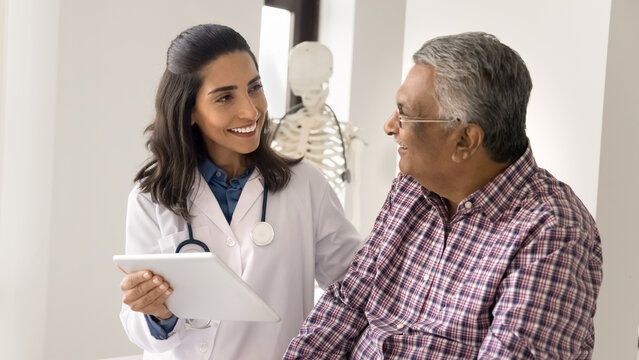
Chronic pain is more than just a physical discomfort; it can influence daily activities, emotional well-being, and overall quality of life. Unlike acute pain that appears suddenly and heals with time, chronic pain often lingers for months or even years. This persistent discomfort can make routine tasks challenging and lead to frustration when relief seems out of reach. Managing it effectively requires consistent care, patience, and personalized strategies tailored to an individual’s needs. Let's delve into Doctor at Home Dubai.
Why Home-Based Care Makes a Difference
Home-based care offers a convenient and supportive way to manage ongoing pain without the stress of traveling. For individuals dealing with limited mobility or fatigue, the ability to receive professional attention in a familiar environment can be comforting. This setting allows for a more personalized approach where the care plan is adapted to the person’s lifestyle, surroundings, and preferences. Being at home also helps maintain a sense of normalcy and independence while still accessing the support needed.
Personalized Pain Management Plans
One of the advantages of having a doctor at home is the opportunity for a truly personalized care plan. Every individual’s experience with chronic pain is different, which means the treatment approach should be unique as well. A home visit allows for:
Assessing the person’s environment to identify factors that may affect pain
Tailoring routines and activities to minimize discomfort
Adjusting exercises or therapy techniques according to mobility and stamina
This individualized method can make a significant difference in long-term pain relief and overall comfort.
Building a Comfortable Environment for Healing
A peaceful, supportive environment can play a key role in managing chronic pain. At home, there is more control over surroundings, making it easier to create a calming space. This can include comfortable seating arrangements, supportive bedding, and areas that promote relaxation. Simple adjustments to lighting, temperature, and seating positions can ease tension and reduce strain on painful areas. Such modifications are often easier to implement when guidance is provided in person during home visits.
Continuous Monitoring and Adjustments
Chronic pain management is rarely a one-time process; it often requires ongoing adjustments. With a doctor visiting at home, progress can be closely monitored without the individual needing to leave their space. Regular assessments help identify what’s working well and what needs improvement. If a certain approach is not bringing enough relief, adjustments can be made promptly to ensure the individual stays on track with their pain management goals.
Reducing Stress Through Familiar Surroundings
Traveling for care can add unnecessary stress to someone already dealing with persistent pain. The effort of arranging transportation, sitting for extended periods, or moving through unfamiliar spaces can worsen discomfort. Receiving care at home eliminates these challenges, allowing the focus to remain entirely on recovery and well-being. The comfort of being in a familiar setting can also help reduce anxiety, which in turn may have a positive effect on pain perception.
Encouraging Active Participation in Care
Being at home allows individuals to take an active role in their treatment. Since the environment is familiar, it becomes easier to integrate recommended exercises, stretches, or lifestyle changes into daily routines. Participation in the care process helps build confidence and gives a sense of control over managing the condition. This empowerment can be a motivating factor in maintaining consistency and following through with the care plan.
Emotional Support in a Home Setting
Living with chronic pain can sometimes lead to feelings of isolation. Having a professional visit at home provides not only medical attention but also emotional reassurance. The personal interaction, combined with the familiarity of the home environment, can foster a stronger sense of trust and comfort. This connection often makes it easier to discuss symptoms openly, leading to more effective pain management strategies.
Integrating Lifestyle Adjustments
Lifestyle adjustments often play a big role in reducing chronic pain. With home visits, recommendations can be tailored to the individual’s space, making changes easier to apply. Whether it’s modifying certain movements, reorganizing living areas for easier access, or establishing daily routines that reduce strain, these adjustments are more practical when developed within the actual environment where the person spends most of their time.
Long-Term Benefits of Home-Based Pain Management
The long-term advantages of managing chronic pain at home go beyond immediate relief. Consistent, tailored care in a comfortable environment can contribute to improved mobility, better sleep patterns, and a more positive outlook on life. Over time, individuals may find they can engage more in activities they enjoy, maintain stronger social connections, and experience a higher overall quality of life.
FAQs
How does home-based care help with chronic pain?
Doctor at Home in Dubai offers convenience, personalized attention, and a stress-free environment. This makes it easier to stick to treatment plans and reduces the strain that travel might cause.
Is it possible to receive ongoing adjustments without leaving home?
Yes, regular visits allow for close monitoring and timely adjustments to the care plan. This ensures that the strategies remain effective and aligned with the individual’s changing needs.
Can the home environment influence pain levels?
Absolutely. A comfortable and supportive environment can reduce stress and strain, making pain easier to manage. Simple modifications can have a significant impact on daily comfort.
Does home-based care encourage active involvement?
Yes, being at home makes it easier for individuals to participate in their care, follow recommended routines, and take ownership of their recovery process.
What are the emotional benefits of receiving care at home?
The familiar surroundings can help reduce anxiety, foster a sense of safety, and promote open communication with the professional providing care. This often leads to more effective pain management.