
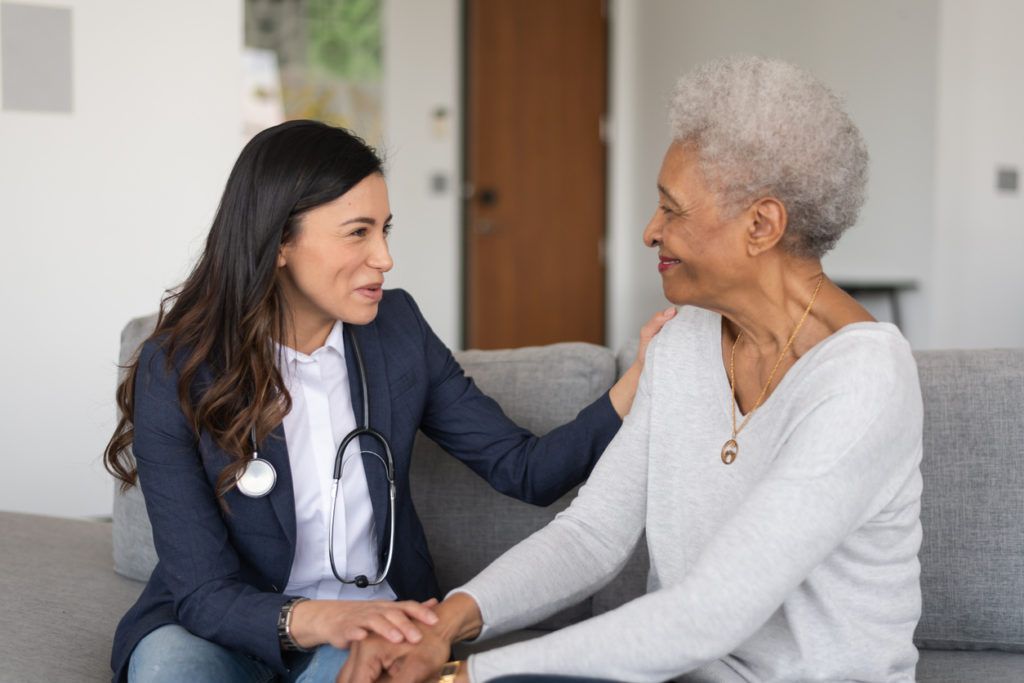
When a person faces a mental health crisis, the environment plays a critical role in the support and care they receive. Having a doctor available at home can bring immense comfort and stability to someone struggling during such vulnerable times. A home setting offers familiarity, privacy, and a sense of control, which can be crucial when dealing with emotional or psychological distress.
Mental health crises come in many forms, from anxiety attacks and extreme mood swings to emotional breakdowns and overwhelming feelings of hopelessness. These moments require timely and compassionate intervention. A Doctor at Home Dubai can provide professional care without the added stress of travel or unfamiliar surroundings.
Why a Home Visit Can Make a Difference
Being at home allows individuals to express themselves more openly and honestly. They feel safer, more in control, and less judged. This safe space promotes better communication between the patient and the healthcare provider.
When a mental health professional visits, they can also observe the individual in their natural environment. This provides valuable insight into potential triggers, daily routines, and relationship dynamics that might not be visible in a clinical setting. Understanding these elements can help shape a more personalized support plan.
What to Expect from a Home Visit
Home visits for mental health support focus on listening, understanding, and evaluating the person’s current state. The healthcare provider may start with a gentle conversation, asking open-ended questions to understand what led to the crisis. There's a strong emphasis on empathy and building trust rather than rushing to conclusions.
Depending on the situation, the doctor may:
Offer coping strategies to ease immediate emotional distress
Help the individual process overwhelming feelings
Create a short-term action plan to ensure safety and support
Involve family members if appropriate and consented
Each session is paced according to the individual’s comfort level. The primary goal is to stabilize the person emotionally and mentally while providing reassurance and guidance.
Creating a Safe Space for Recovery
Having a trusted medical professional visit at home allows the entire support process to feel less clinical and more human. The individual doesn't need to dress up, sit in waiting rooms, or experience the discomfort of traveling during a crisis. Their recovery can begin in their own living room or bedroom, where they already feel most secure.
The comfort of home also makes it easier to encourage calmness and grounding. Soothing items like a favorite blanket, familiar scents, or even a pet nearby can contribute to reducing emotional tension during the session.
Supporting Loved Ones During a Mental Health Emergency
Mental health crises affect not only the individual but also their family and friends. Many loved ones may feel helpless or unsure about how to respond. When a healthcare professional visits the home, it also provides an opportunity for families to receive guidance and reassurance.
They can learn:
How to offer emotional support without overwhelming the individual
How to recognize early signs of distress
What language to use to encourage calm communication
When to seek additional help if needed
This shared understanding promotes a supportive environment that can aid in quicker and more sustainable emotional recovery.
Common Situations That May Warrant a Home Visit
A mental health professional may be called for various reasons, including:
Sudden withdrawal from social contact
Severe anxiety or panic attacks
Emotional outbursts or anger that feels uncontrollable
Expressions of hopelessness or despair
Difficulty coping with a recent traumatic event
In these moments, a quick and supportive response is essential. Having someone trained and compassionate arrive at the doorstep can change the course of a person’s mental health journey.
How Home-Based Care Encourages Long-Term Healing
Home visits are not just about short-term relief; they can be the beginning of long-term support. When an individual feels heard and supported in a non-judgmental environment, they’re more likely to continue with future care and develop healthier coping mechanisms.
This trust forms the basis of a healing relationship that can lead to better self-awareness, emotional regulation, and mental wellness. Regular follow-ups and personalized care plans built around the home environment help maintain this progress.
Addressing Stigma Through Personalized Home Support
Mental health still carries a level of stigma in many communities. For some individuals, seeking help outside can feel intimidating or shameful. Home visits offer a more private option, helping reduce the stigma associated with reaching out for mental health support.
The presence of a caring professional at home normalizes mental health conversations and breaks down barriers that might prevent someone from asking for help. It becomes less about labels and more about healing.
Empowering Individuals with Emotional Tools
One of the goals of Doctor at Home in Dubai support is to equip the person with emotional tools they can use long after the visit ends. These tools might include grounding techniques, breathing exercises, communication strategies, or simply identifying safe people to turn to when things feel overwhelming. Rather than focusing only on the moment of crisis, the healthcare provider looks at building resilience and preparing the person for future challenges.
Encouraging a Culture of Compassion and Understanding
Bringing mental health care into the home helps nurture a culture of compassion. It shows that emotional well-being matters just as much as physical health. Friends, partners, and family members see first-hand how impactful professional care can be when provided in a supportive and familiar setting.
As more people experience the benefits of home visits for mental health crises, understanding grows. It fosters a more empathetic community that values mental well-being and encourages others to speak up and seek help.
FAQs
What should someone do while waiting for the home visit?
Stay with the individual if possible, speak calmly, offer reassurance, and avoid confrontation. Encourage deep breaths and limit exposure to loud noise or distressing situations.
Can loved ones be present during the session?
Yes, if the individual is comfortable with it. Family or friends can play a key role in emotional support, but their presence is always based on the person’s preferences.
How long does a typical home session last?
Session length may vary depending on the individual’s needs and comfort level. The focus is always on creating a calming, safe interaction without pressure.
Is it okay to cry or express strong emotions during the visit?
Absolutely. The professional is there to listen and help. All emotions are valid, and expressing them is a healthy part of the healing process.
What happens after the first visit?
Depending on the situation, a follow-up plan may be discussed. This could involve regular check-ins or referrals for additional support if needed.