
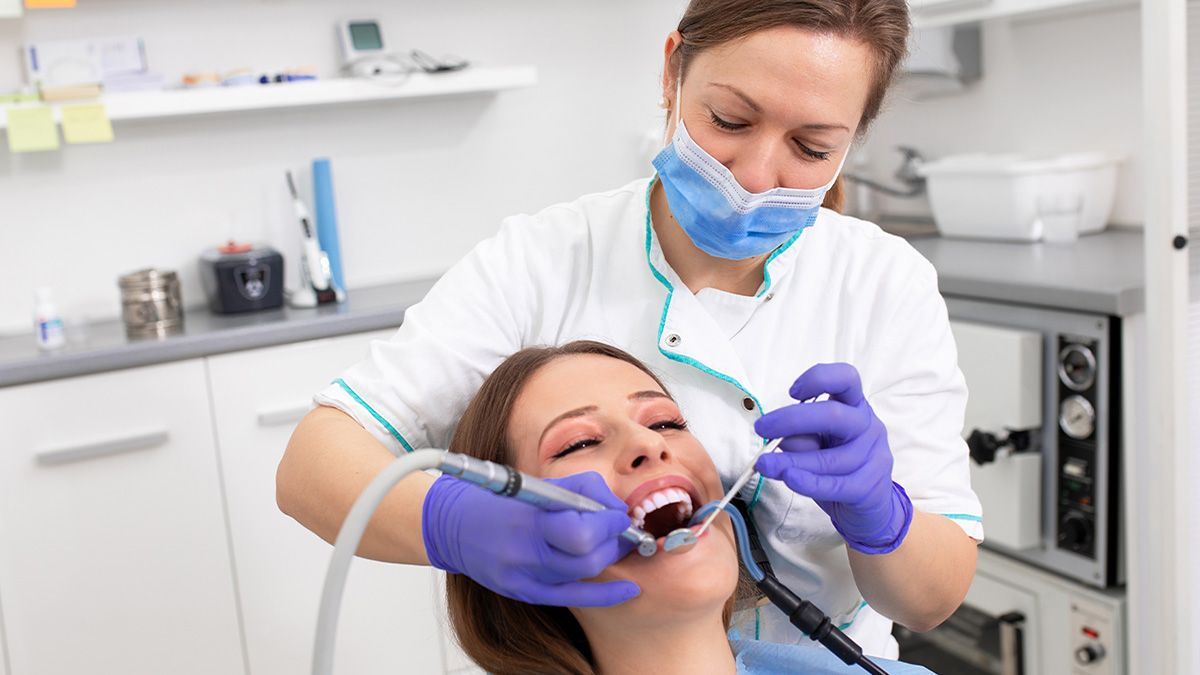
Dental hygienists play a key role in maintaining oral health and preventing tooth decay. They are not just involved in cleaning teeth but also focus on educating patients and applying preventive techniques to keep cavities at bay. With the right tools and training, Dental Hygienist Dubai are essential in the battle against plaque and tooth decay.
Routine Professional Cleanings
One of the most effective techniques used by dental hygienists is professional cleaning. This involves removing plaque and tartar that cannot be eliminated by regular brushing or flossing. Dental hygienists use ultrasonic instruments and hand scalers to gently scrape off the hardened buildup on the teeth and gumline.
Professional cleanings go beyond cosmetic benefits. By thoroughly cleaning the mouth, these procedures reduce bacteria that contribute to decay, gum disease, and other oral infections.
Fluoride Treatments for Strengthening Enamel
Dental hygienists often recommend fluoride treatments during routine visits. Fluoride is known to strengthen tooth enamel and make it more resistant to acid attacks from plaque bacteria and sugars in the mouth. A hygienist will apply a highly concentrated fluoride gel or foam, allowing it to sit on the teeth for a few minutes.
This simple but powerful treatment reinforces the natural defenses of the teeth and helps reverse early signs of decay, often before a cavity even forms.
Dental Sealants to Prevent Decay
Dental sealants are a preventive option used especially for patients with deep grooves in their molars. Hygienists apply a thin, protective coating on the chewing surfaces of the back teeth, where food particles tend to get trapped.
This barrier keeps bacteria and food debris from settling into hard-to-clean areas. While often used for younger individuals, adults at risk of decay can also benefit from this technique.
Educating Patients on Daily Oral Hygiene
Education is a cornerstone of a dental hygienist’s job. By teaching proper brushing and flossing methods, hygienists empower patients to take control of their oral health between visits. Demonstrations using dental models help people understand the importance of reaching every surface of the teeth and being consistent with daily care.
Dental hygienists also help patients understand how diet affects oral health. They provide guidance on limiting sugary foods and encouraging water intake to keep the mouth clean and hydrated.
Plaque and Tartar Management
Hygienists focus on preventing the buildup of plaque—a sticky film of bacteria that leads to tooth decay and gum disease. They use specialized tools to measure gum health and clean under the gumline when necessary.
If tartar has already formed, a hygienist will carefully remove it to prevent inflammation and the spread of decay. Regular scaling and polishing leave the mouth feeling fresh and significantly reduce harmful bacterial levels.
Early Detection of Dental Problems
While not diagnosing conditions, dental hygienists are trained to notice signs of potential issues. They examine the mouth for symptoms like white spots on the enamel, gum redness, or bleeding, which can indicate the early stages of decay or gingivitis.
Early detection allows for timely intervention and helps patients avoid more complex procedures down the road. Hygienists play a key role in encouraging follow-up visits for further evaluation when necessary.
Personalized Preventive Plans
No two mouths are the same. Dental hygienists create customized care plans based on each patient's oral hygiene habits, medical history, and risk factors for decay. They may suggest more frequent cleanings or special home-care routines to improve outcomes.
This tailored approach ensures that each individual receives the most effective prevention strategies for their unique needs.
Building Good Oral Habits from a Young Age
For young patients, dental hygienists often introduce fun and engaging ways to maintain oral hygiene. Teaching children about brushing through interactive tools helps set lifelong habits. Encouraging the use of timers and singing songs during brushing time makes the experience enjoyable and educational.
Positive early experiences with hygienists build comfort with dental care and reduce anxiety over future visits.
Supporting Patients with Orthodontic Appliances
For those with braces or other dental appliances, maintaining clean teeth becomes more challenging. Dental hygienists provide essential support by recommending cleaning techniques and tools that work around wires and brackets. They also perform more detailed cleanings to prevent decay in hard-to-reach areas.
With consistent guidance, patients with orthodontic devices can avoid complications and protect their teeth throughout treatment.
FAQs
What makes dental hygienist techniques different from regular brushing?
Dental hygienists use professional-grade tools and have training to clean areas that at-home brushing cannot reach. Their techniques remove plaque and tartar effectively and help detect early signs of decay that a toothbrush might miss.
How often should someone see a dental hygienist?
It depends on the individual’s oral health. Some people benefit from more frequent cleanings, especially if they have a history of decay or gum issues. A dental hygienist can suggest a schedule that suits the patient’s needs.
Are fluoride treatments only for children?
Fluoride treatments are beneficial for people of all ages. They help strengthen enamel and prevent decay, especially in individuals who are prone to cavities or have reduced saliva flow.
Can dental sealants be used on adult teeth?
Yes, sealants are not just for children. Adults with deep grooves or a high risk of decay can also benefit from this protective layer. A dental hygienist can determine if it’s a suitable option.
Why is professional cleaning important even if brushing daily?
Brushing and flossing at home are essential, but they may not remove all plaque, especially in tight or hard-to-reach areas. Over time, plaque hardens into tartar, which can only be removed by professional tools used by a hygienist.
How do hygienists help with bad breath?
Dental Hygienist in Dubai clean areas where bacteria accumulate, which are often the cause of bad breath. They also provide advice on improving oral hygiene habits and hydration, both of which can significantly reduce odor.
What can be done if gums bleed during brushing?
Bleeding gums can be a sign of gum inflammation or early gum disease. A dental hygienist can evaluate oral hygiene techniques and perform a cleaning to remove the buildup causing irritation.
Conclusion
Dental hygienists are vital in the fight against tooth decay. With their expert techniques, educational support, and preventive strategies, they help individuals maintain a healthy mouth and strong teeth for years to come. Regular visits, combined with proper home care, create a strong defense against cavities and gum problems, making hygienists a key ally in oral health.