
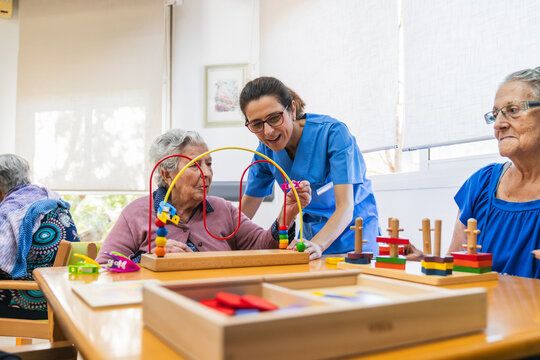
Alzheimer’s disease is a progressive brain disorder that affects memory, thinking, and behavior. While both Western and Eastern medical approaches aim to manage its symptoms and support cognitive function, they differ significantly in philosophy, methodology, and focus. Comparing these two systems offers insight into how care is provided and how patients are supported through their journey.
The Philosophy Behind Western and Eastern Approaches
Western Approach: Scientific and Structured
Western medicine generally follows a structured, scientific model. It focuses on the biological changes in the brain associated with Alzheimer's Treatment Dubai. Treatments are designed to slow cognitive decline, improve quality of life, and manage behavioral changes. The approach relies heavily on neuroscience, research-based diagnostics, and evidence-based treatments.
Eastern Approach: Holistic and Balanced
Eastern medicine views Alzheimer’s as a disorder of energy imbalance and disrupted harmony in the body. It focuses on maintaining cognitive health by supporting the body’s natural flow and overall well-being. Treatments often emphasize mental clarity, emotional balance, and preventive care to maintain memory and concentration.
Treatment Goals: A Shared Mission with Unique Paths
Western Goals: Slowing Progression and Supporting Function
In the Western view, the main objectives are to:
Support memory and mental clarity
Manage behavioral symptoms
Slow the progression of cognitive decline
Enhance daily living through structured routines and therapies
Western methods often involve cognitive stimulation, physical activity plans, and psychological support tailored to the patient’s condition.
Eastern Goals: Restoring Balance and Preserving Energy
In Eastern traditions, the focus lies in restoring internal balance, preserving energy, and encouraging harmony between body and mind. The treatment journey includes practices designed to nourish the brain, uplift the spirit, and promote a calm, focused mind. Cognitive wellness is approached as part of a broader state of physical and emotional balance.
Diagnostic Practices: Technology vs. Observation
Western Diagnostics: Brain Imaging and Cognitive Testing
Diagnosis in Western practice typically involves brain imaging techniques, memory assessments, and neuropsychological tests. These tools help confirm Alzheimer’s by analyzing brain changes and measuring cognitive performance over time.
Eastern Diagnostics: Observation and Pulse Reading
Eastern practitioners often use traditional diagnostic methods such as pulse reading, tongue analysis, and behavioral observation. Rather than focusing only on the brain, they evaluate the entire body’s energy patterns to understand the patient’s cognitive state.
Lifestyle Recommendations: Structured Plans vs. Harmonized Living
Western Lifestyle Support
Lifestyle changes in Western approaches are structured and evidence-driven. Recommendations may include:
Cognitive training activities
Physical exercise programs
Social engagement and memory games
Dietary plans designed to support brain health
All these are integrated into a routine aimed at maintaining independence and mental sharpness.
Eastern Lifestyle Support
Eastern treatments emphasize lifestyle practices that cultivate harmony and relaxation. These may include:
Mindfulness-based activities
Breathing techniques
Gentle movement practices
Personalized diet choices based on body constitution
These practices are woven into daily life to gently support the mind’s clarity and resilience.
Emotional and Social Care: Two Paths to Connection
Western Support: Therapy and Social Structures
Western care includes therapeutic support such as:
Structured counseling sessions
Group support for caregivers and families
Behavioral interventions tailored to emotional challenges
This approach highlights communication, emotional validation, and social integration.
Eastern Support: Inner Peace and Family Connection
In the Eastern perspective, emotional well-being is nurtured through calming practices and deep family connection. Emotional balance is viewed as essential for mental clarity. Caregivers are encouraged to maintain a peaceful and connected environment, promoting serenity through routine and respect.
Combining Strengths Without Overlap
While both systems differ in methods, they share the goal of enhancing the patient’s overall well-being. Some caregivers find value in drawing inspiration from both models, incorporating structured routines from Western medicine with the calming philosophies of Eastern care. Still, it's important to maintain clarity and not overlap incompatible practices.
FAQs
How does the focus differ between Western and Eastern Alzheimer’s treatment?
Western treatment focuses on cognitive science, biological factors, and measurable outcomes. Eastern treatment emphasizes holistic wellness, balance, and emotional harmony.
Are both systems focused on long-term care?
Yes, both systems are concerned with long-term management, though their methods and principles differ. Western care leans toward structured plans, while Eastern care supports ongoing harmony and energy preservation.
What role does lifestyle play in both approaches?
Lifestyle plays a key role in both. Western methods structure lifestyle changes around routines and mental engagement, while Eastern methods integrate lifestyle into the individual’s energy and emotional balance.
Do both approaches offer social and emotional support?
Absolutely. Western care supports social interaction and therapy, while Eastern care fosters peace through connected living and emotional balance within families.
Can practices from both systems be followed together?
Many people explore practices from both systems to create a personalized care plan. However, it’s essential to ensure they complement one another and are applied thoughtfully.
A Gentle Comparison, A Shared Purpose
Though rooted in different philosophies, both Western and Eastern approaches to Alzheimer's Treatment in Dubai aim to offer dignity, comfort, and mental support to those living with the condition. Their contrast lies not in opposition but in perspective—each offering insights into how memory, emotion, and life can be nurtured through unique paths. Understanding both sides allows caregivers and loved ones to offer care that is not only thoughtful but deeply compassionate.