
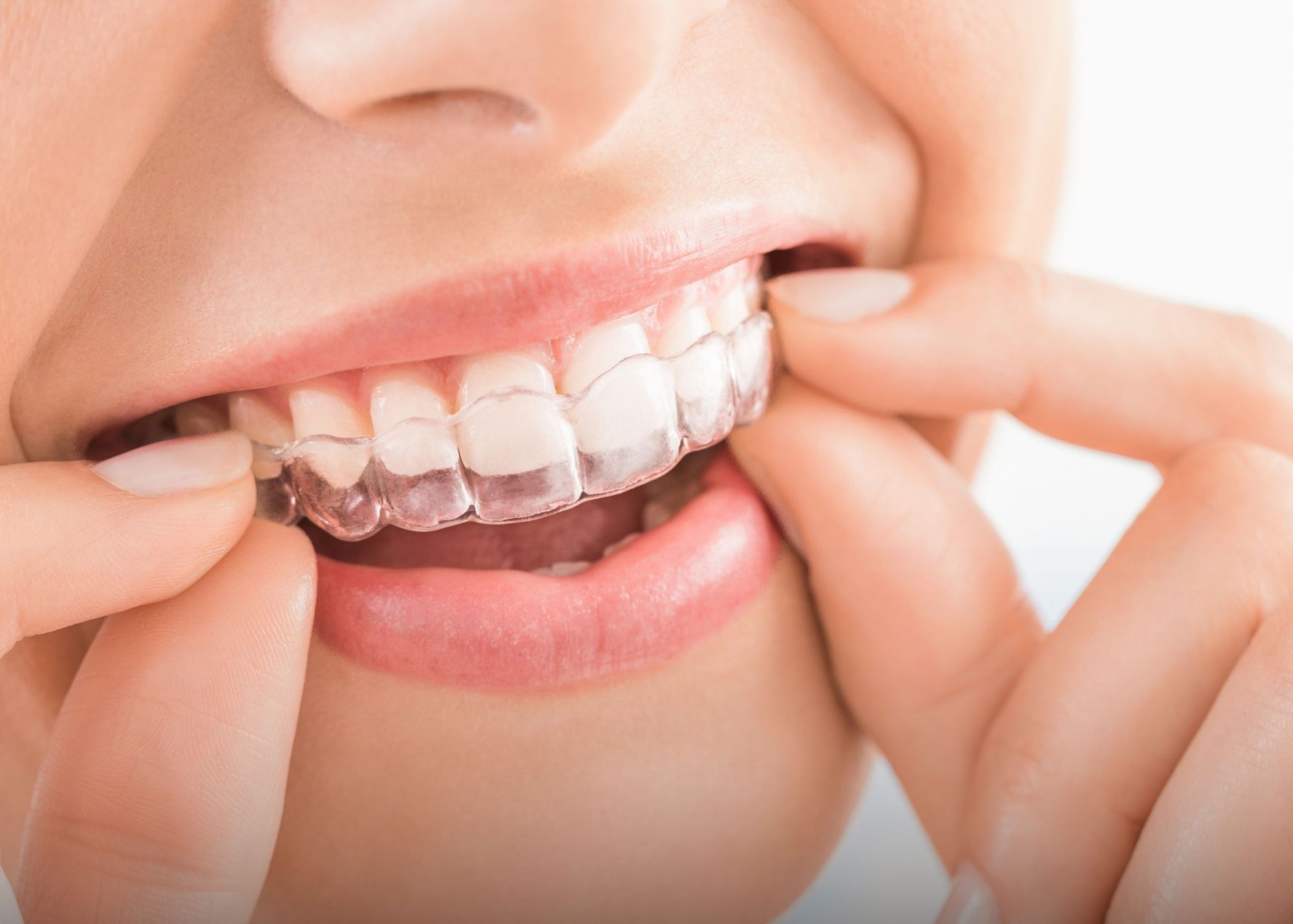
Invisalign is a popular orthodontic treatment that uses clear aligners to gradually shift teeth into better alignment. Unlike traditional metal braces, these aligners are removable and custom-made for each individual. However, one common concern that arises is whether Invisalign can make teeth more sensitive.
Tooth sensitivity often feels like a sharp or sudden pain when teeth are exposed to hot, cold, sweet, or acidic substances. For some people, this sensation can become more noticeable during certain dental treatments, including Invisalign Cost Dubai. Understanding the connection between this treatment and sensitivity can help individuals manage their expectations and stay comfortable throughout the process.
Why Some People Experience Sensitivity During Invisalign Treatment
Tooth movement is a natural part of orthodontic treatment, but it can sometimes cause temporary changes in how the teeth respond to certain stimuli. When teeth are shifting, the ligaments and nerves around them may become slightly irritated. This can result in mild discomfort or heightened sensitivity for some individuals.
During the first few days of wearing a new set of aligners, it’s not unusual to feel a sense of pressure. This pressure is necessary to guide teeth into their new position. With this pressure, a feeling of increased sensitivity can also develop, especially when drinking cold water or brushing teeth. This typically fades as the teeth adjust to the aligners.
Aligners and Their Role in Tooth Sensitivity
While Invisalign aligners are smooth and comfortable, they do place gentle but consistent force on teeth. This force is what allows the treatment to be effective, but it also slightly disturbs the roots and surrounding areas of each tooth. As a result, individuals might notice that certain teeth feel more sensitive than others.
This experience tends to be temporary and usually improves as each aligner is worn consistently. The mouth adjusts over time, and the sensitivity often becomes less noticeable. Most people find that their sensitivity lessens significantly after a few days with each new set of trays.
Managing Tooth Sensitivity During Treatment
There are several strategies people can use to ease discomfort without interrupting their Invisalign journey. Some small changes in daily routines can help create a more pleasant experience:
Using a toothbrush with softer bristles can reduce irritation while brushing
Avoiding very hot or cold drinks can minimize triggers of sensitivity
Rinsing with lukewarm water after meals helps cleanse the mouth gently
Staying hydrated can support overall oral health and comfort
Maintaining proper oral hygiene is essential. Sometimes, sensitivity stems from plaque buildup or gum inflammation rather than the aligners themselves. Keeping the mouth clean reduces the chances of these additional issues contributing to the discomfort.
When to Be Concerned About Tooth Sensitivity
Though temporary sensitivity is expected for many during Invisalign treatment, there are situations where ongoing discomfort may signal something else. If sensitivity persists for an extended period or becomes sharper or more intense, it could be worth looking into the cause.
Possible reasons unrelated to aligners might include:
Minor tooth grinding habits that increase pressure
Existing dental issues such as enamel thinning
Gums receding from the teeth due to brushing technique
Addressing these underlying causes can help relieve discomfort and ensure that the treatment continues without unnecessary complications.
How Invisalign Differs from Traditional Orthodontic Options
One advantage of Invisalign is its smooth surface and gentle design. Unlike metal brackets, clear aligners do not have edges that can irritate the mouth. However, because both treatments work by moving teeth, both may contribute to occasional sensitivity.
With Invisalign, the removable nature of the trays gives individuals more control over their comfort. For example, trays can be taken out while eating, which limits exposure to very hot or cold foods that might aggravate sensitive teeth. This difference can make the experience feel more manageable for those who are concerned about discomfort.
FAQs
Can Invisalign cause long-term sensitivity?
In most cases, any sensitivity felt during treatment is short-lived. Once the teeth settle into their new positions and treatment is complete, most people do not report lasting sensitivity. However, everyone’s mouth is different, and a few may feel residual changes for a short time.
Is it normal to feel sensitivity when switching to a new aligner?
Yes, feeling some sensitivity with a new set of aligners is common. Each set is designed to make slight movements, and that change can briefly affect the nerves in the teeth. This usually subsides within a few days.
Does wearing aligners overnight increase sensitivity?
Wearing aligners overnight is part of the treatment plan and does not typically increase sensitivity beyond what might already be present. In fact, consistent wear can help the teeth adjust more quickly and minimize discomfort.
Should sensitive teeth stop someone from starting Invisalign?
Mild tooth sensitivity should not prevent someone from considering Invisalign. However, it’s helpful to understand that some temporary changes in sensation are possible. Staying consistent with the aligners and practicing good oral hygiene can help manage the experience effectively.
Can sensitivity return after treatment ends?
It’s possible for brief sensitivity to return after the final aligners are removed, especially while adjusting to retainers. Like the aligners, retainers can apply pressure to hold teeth in place. Over time, this also becomes more comfortable.
Final Thoughts
Tooth sensitivity during Invisalign Braces Treatment Cost in Dubai is a fairly common experience, especially in the early stages. The key thing to remember is that this sensitivity is usually temporary and manageable. By being aware of what to expect and practicing gentle care, most individuals find that they adjust well to the treatment and enjoy a smoother journey to a better smile.
Remaining patient, staying consistent with treatment, and supporting oral health can make a significant difference. The sensitivity experienced should never be a reason to avoid the benefits of Invisalign. With time, most people find it becomes a minor part of the overall process.