
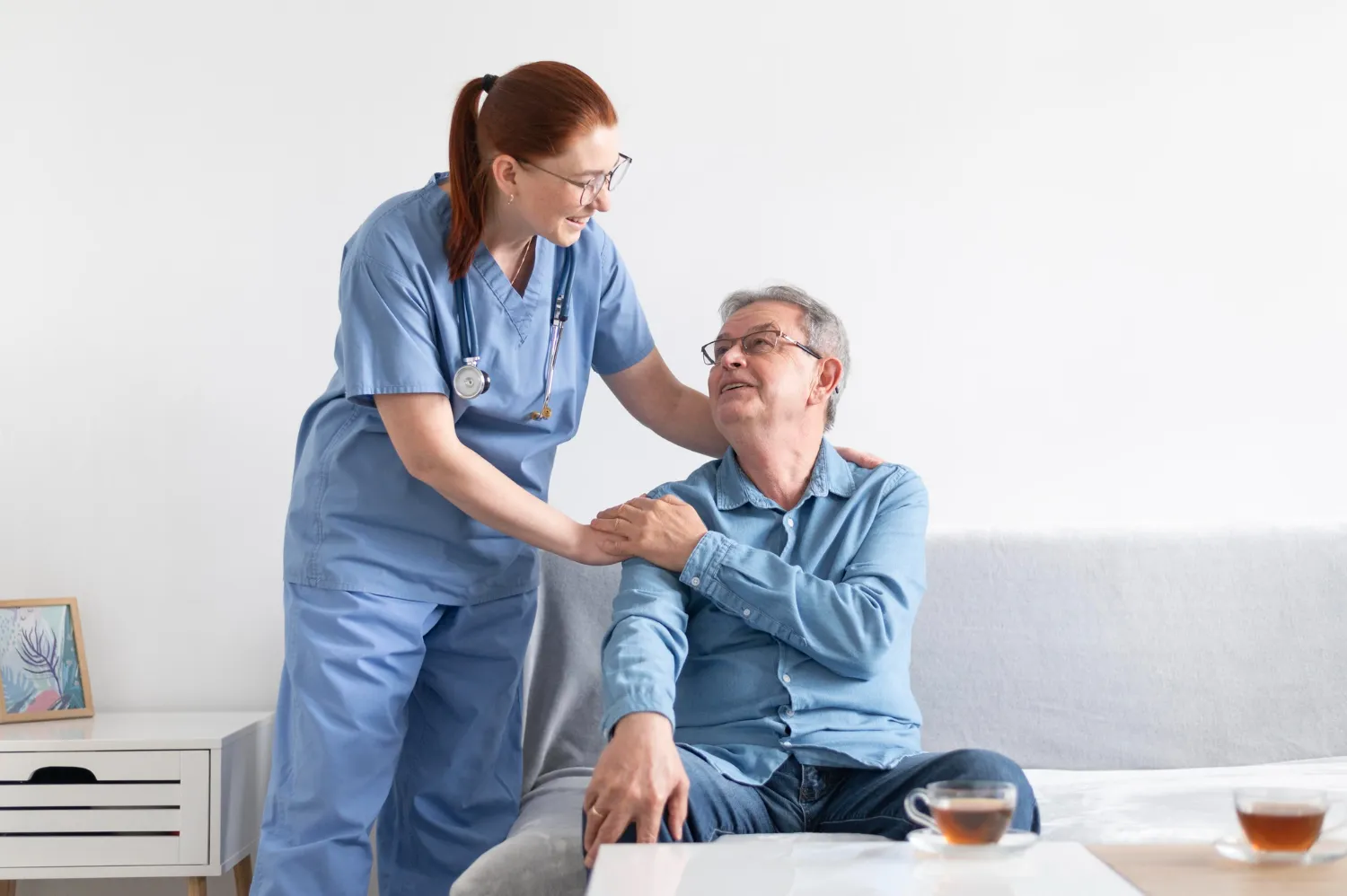
Falls are a leading cause of injury among older adults, often resulting in reduced mobility, loss of independence, and a decline in quality of life. As individuals age, physical changes such as weakened muscles, poor balance, and slower reflexes can make them more susceptible to falls. Chronic conditions like arthritis, vision problems, and cognitive decline further increase these risks.
The Role of Elderly Care Services in Fall Prevention
Elderly Care Services Dubai play a vital role in minimizing the chances of falls and injuries. These services provide consistent support, helping seniors manage their daily activities safely. With the right assistance, older adults can remain independent for longer while reducing the likelihood of accidents.
Creating a Safe Home Environment
A major part of preventing falls is making the living space safer. Elderly care professionals often assess the home and identify potential hazards. Some common adjustments include:
Removing loose rugs or clutter that may cause tripping
Installing grab bars in bathrooms
Ensuring proper lighting in hallways and staircases
Reorganizing furniture to allow easier movement
These simple yet effective changes help create a more secure environment for seniors to navigate confidently.
Personalized Support and Supervision
Each senior has unique needs. Care providers offer tailored assistance based on an individual’s health condition, mobility level, and lifestyle. Whether it’s helping with walking, transferring from bed to chair, or simply offering a steady arm, the presence of trained caregivers can greatly reduce fall risks.
In addition to physical assistance, caregivers can remind seniors to take medications on time, attend appointments, and stay hydrated—factors that indirectly help prevent dizziness or confusion, which could lead to a fall.
Encouraging Physical Activity and Balance Training
Staying physically active is crucial for maintaining strength and balance. Elderly care services often promote gentle exercises suitable for older adults, such as:
Stretching routines to improve flexibility
Balance-focused activities like standing leg lifts
Low-impact movements that strengthen core muscles
These activities not only help prevent falls but also boost confidence in mobility and coordination.
Monitoring Health and Early Warning Signs
Caregivers are trained to recognize early signs of physical or cognitive decline. They can observe changes in gait, balance, or behavior and report them promptly. Early intervention allows for timely adjustments to the care plan, preventing further complications or potential falls.
Caregivers also pay close attention to vision or hearing difficulties, as these can significantly impact spatial awareness and reaction time. Promptly addressing such issues can make a meaningful difference in overall safety.
Emotional Support and Building Trust
Beyond physical care, emotional well-being is essential. Many seniors fear falling, which may lead to isolation or inactivity. Caregivers offer reassurance and companionship, helping to reduce anxiety. When seniors feel supported, they are more likely to stay active, follow routines, and trust the process of care—all of which contribute to fall prevention.
Nutrition and Hydration Support
Proper nutrition and staying hydrated are key in maintaining muscle strength and preventing dizziness or fatigue. Care providers assist with meal planning, ensuring seniors receive balanced meals rich in essential nutrients. They also encourage regular fluid intake to avoid dehydration, which is often overlooked but can lead to weakness or confusion.
Assistive Tools and Proper Use
Elderly care services help individuals adapt to using walking aids correctly, such as walkers or canes. Improper use of assistive devices can ironically increase the risk of injury. With guidance from caregivers, seniors learn the best practices for maneuvering safely with these tools.
Education and Awareness for Families
Family members often want to help but may not know the best way to do so. Elderly care services often involve family in the care plan by sharing safety tips, home modifications, and communication strategies. This collaborative approach creates a supportive circle around the senior, further reducing risks.
Building Confidence Through Routine
Consistency brings comfort. Regular routines reduce confusion, especially for those with cognitive challenges. Elderly care services establish predictable schedules for meals, exercise, personal hygiene, and rest. This rhythm helps reduce restlessness and increases confidence in movement, lowering the likelihood of unexpected falls.
FAQs
How do elderly care services actually reduce falls?
Care services provide assistance tailored to an individual’s needs. This includes helping with mobility, ensuring the home is hazard-free, offering physical support during movement, and encouraging routines that enhance strength and balance.
Are home modifications necessary for fall prevention?
Yes, even minor changes in the home can greatly reduce fall risks. Elderly care professionals can help identify and address these safety concerns, making daily movement safer and easier for seniors.
Do caregivers help with exercise routines?
Caregivers encourage and assist with light, suitable exercises. These activities are designed to maintain or improve muscle strength, coordination, and flexibility—essential components in fall prevention.
What role does hydration play in fall prevention?
Dehydration can lead to dizziness, confusion, and fatigue, all of which increase fall risk. Caregivers ensure seniors are drinking enough fluids and consuming a healthy diet to support overall well-being.
Can care services help with cognitive decline and fall prevention?
Yes, cognitive issues can impact awareness and decision-making. Elderly care services provide gentle reminders, supervision, and routines that reduce disorientation and help prevent wandering or missteps.
Is emotional support really linked to fall prevention?
Absolutely. Seniors who feel supported are less likely to withdraw from activity due to fear. Emotional reassurance encourages movement and engagement, both of which contribute to safer living.
Final Thoughts
Elderly Care Services in Dubai offer much more than basic support. By combining physical assistance, emotional encouragement, safety awareness, and daily routines, these services create a well-rounded approach to fall prevention. With the right guidance and attention, seniors can enjoy greater independence and peace of mind while minimizing the risk of injuries.