
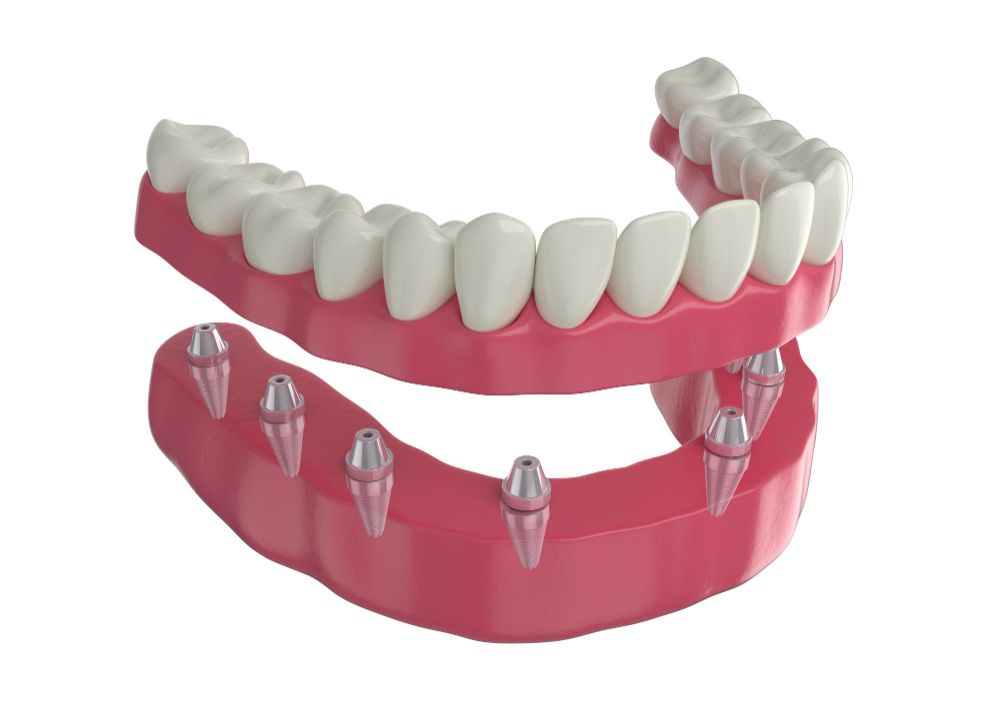
Dental implants have become a popular solution for missing teeth due to their durability and natural appearance. For individuals managing diabetes, questions often arise about whether this procedure is safe and effective. While diabetes does not automatically disqualify someone from getting Dental Implants Dubai, there are important factors to consider to ensure successful treatment and long-term oral health.
Understanding Diabetes and Oral Health
How Diabetes Affects the Mouth
Diabetes can influence oral health in several ways. High blood sugar levels may reduce the body's ability to fight infection, making the gums more vulnerable to disease. People with diabetes are more prone to gum inflammation, delayed healing, and complications following dental procedures. Maintaining stable blood sugar levels is critical to minimize risks associated with oral surgeries such as dental implants.
The Role of Blood Sugar Control
Well-managed diabetes significantly improves the chances of successful dental implant placement. Blood sugar levels that remain within a target range help the body respond better to healing and reduce the risk of infection. Patients with controlled diabetes generally experience outcomes similar to non-diabetic individuals when receiving dental implants.
Dental Implants and Diabetes
The Implant Procedure
Dental implants involve placing a small titanium post into the jawbone to replace a missing tooth root. Over time, the bone fuses with the implant in a process called osseointegration, creating a strong foundation for the artificial tooth. For diabetics, the healing process may require additional attention to ensure proper integration with the bone.
Healing Considerations
Healing can take longer in individuals with diabetes due to reduced blood flow and immune response. Regular monitoring and maintaining blood sugar within recommended levels can help support the healing process. Following proper oral hygiene practices is also essential to prevent infection and ensure successful osseointegration.
Pre-Implant Evaluation for Diabetics
Comprehensive Medical Assessment
Before proceeding with dental implants, a thorough medical assessment is necessary. This includes reviewing the patient’s diabetes management, overall health, and any related complications. Proper evaluation helps the dental professional plan the procedure safely and anticipate potential challenges during healing.
Dental Examination
A complete dental examination is essential to assess the condition of the gums and jawbone. Adequate bone density is critical for implant stability. In some cases, additional procedures may be required to prepare the site for implant placement, especially if bone loss has occurred due to periodontal issues common in diabetics.
Tips for Improving Implant Success
Stable Blood Sugar Levels
Maintaining consistent blood sugar levels is the most important factor for diabetics considering dental implants. Stable levels reduce the risk of infection and promote efficient healing. Regular monitoring and adjustments to diabetes management can enhance the success rate of the procedure.
Oral Hygiene Practices
Good oral hygiene is crucial for implant longevity. Daily brushing, flossing, and regular dental checkups help prevent gum disease and other infections that can interfere with implant integration.
Lifestyle Considerations
Healthy lifestyle choices, including a balanced diet and avoiding tobacco use, contribute to overall oral health and successful implant outcomes. Managing stress and getting adequate rest also support the body’s healing process.
Common Concerns for Diabetic Patients
Risk of Infection
People with diabetes may have a slightly higher risk of post-procedure infection. This risk can be minimized through careful planning, monitoring, and maintaining good oral hygiene before and after the implant procedure.
Healing Time
Healing may take longer in diabetics due to the body’s reduced ability to repair tissue. Patience and regular follow-ups with the dental professional are key to ensuring proper healing and implant stability.
Bone Health
Diabetes can sometimes affect bone density, which is essential for the stability of dental implants. A thorough assessment helps determine if additional procedures, such as bone grafting, are necessary to create a solid foundation for the implant.
FAQs
Can all diabetics get dental implants?
Not all individuals with diabetes are automatically suitable candidates. Success largely depends on blood sugar control, overall health, and oral conditions. Proper evaluation helps determine eligibility and plan for a successful procedure.
How long does healing take for diabetics?
Healing time may vary depending on individual health and blood sugar control. While some may experience standard healing periods, others might require additional time to ensure proper integration of the implant with the jawbone.
Are there additional steps for diabetics before implant surgery?
Yes. Diabetics often undergo a comprehensive medical review, oral health assessment, and sometimes preparatory procedures to ensure the implant site is suitable. These steps help minimize complications and support successful healing.
What role does oral hygiene play?
Oral hygiene is critical. Brushing, flossing, and regular dental visits help prevent infections and gum disease, both of which can compromise the stability and longevity of dental implants.
Is diabetes control the most important factor?
Yes. Maintaining stable blood sugar levels is the primary determinant of implant success. Proper diabetes management reduces risks and promotes efficient healing after the procedure.
Conclusion
Cheapest Dental Implants in Dubai can be a viable option for individuals with diabetes when proper precautions are taken. Blood sugar control, comprehensive assessments, and diligent oral hygiene all contribute to successful outcomes. While diabetics may face additional considerations, careful planning and consistent health management can help ensure dental implants provide a durable and natural solution for missing teeth.